FRIENDS OF DELAWARE RIVER
Advocating for a Healthy River
Who We Are
Friends of the Delaware is an advocacy organization dedicated to protecting, restoring, and advocating for the health of the Delaware River. Through education, community engagement, and litigation, Friends of the Delaware works to ensure the river remains clean, resilient, and accessible for future generations.
Why Advocacy for the Delaware River Is Essential
The Delaware River faces ongoing challenges such as pollution, stormwater runoff, development pressure, and climate change. While laws and regulations exist to protect the river, public enforcement is critical to make sure those protections are enforced and strengthened.
Friends of the Delaware:
• Advocates for strong water quality standards
• Supports enforcement of environmental laws
• Gives a voice to communities that rely on the river
• Encourages responsible decision-making by industries
Without advocacy, progress slows – but with it, real and lasting improvements are possible.

River Cleanups: Spring and Fall
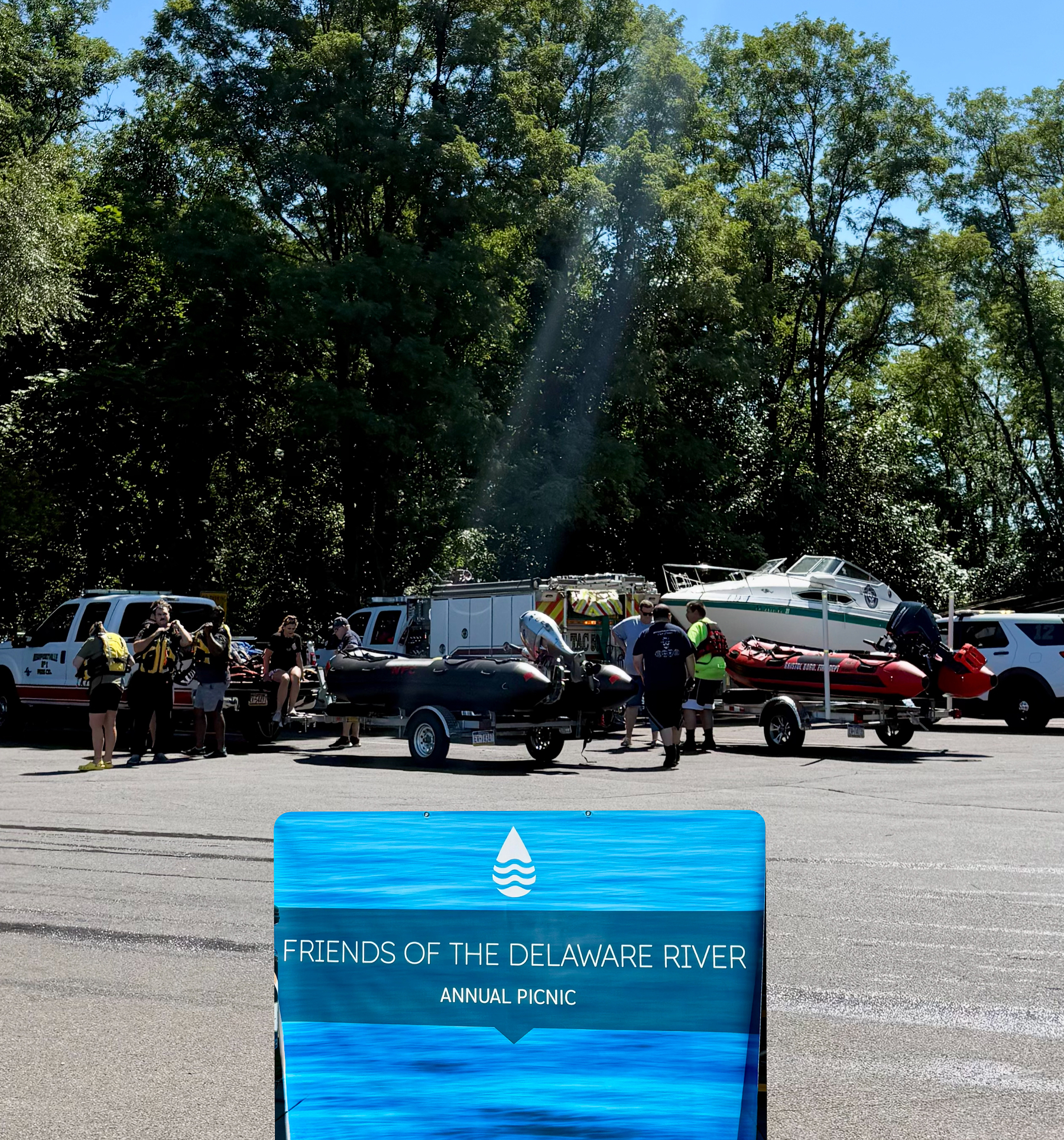
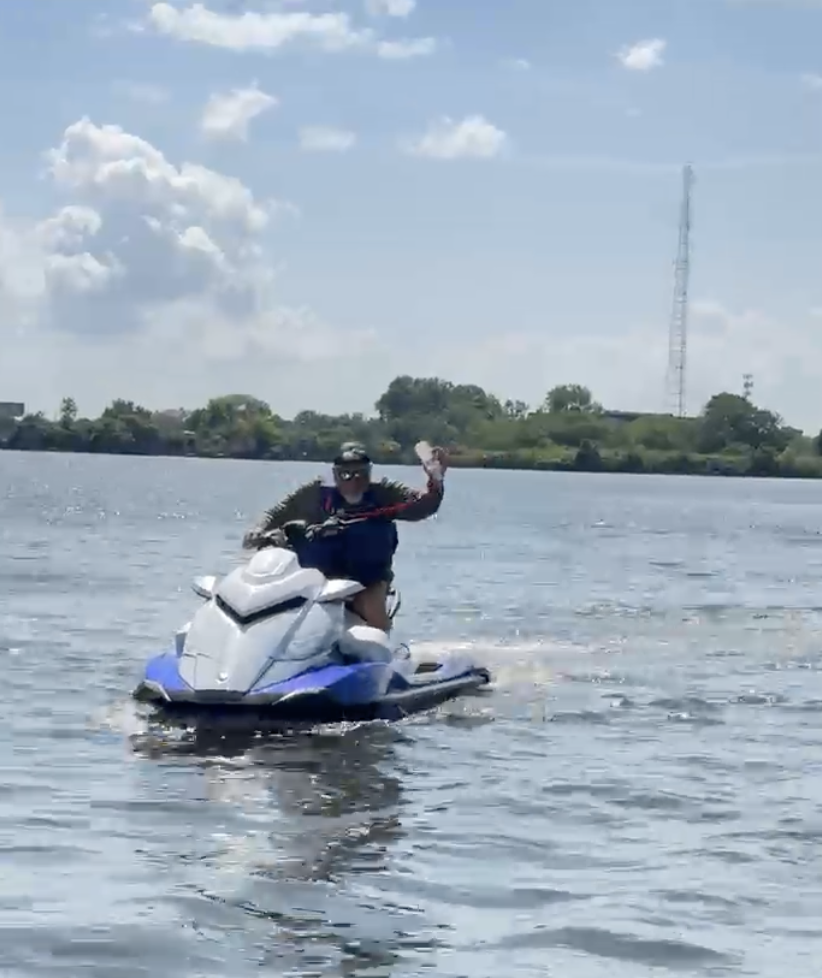
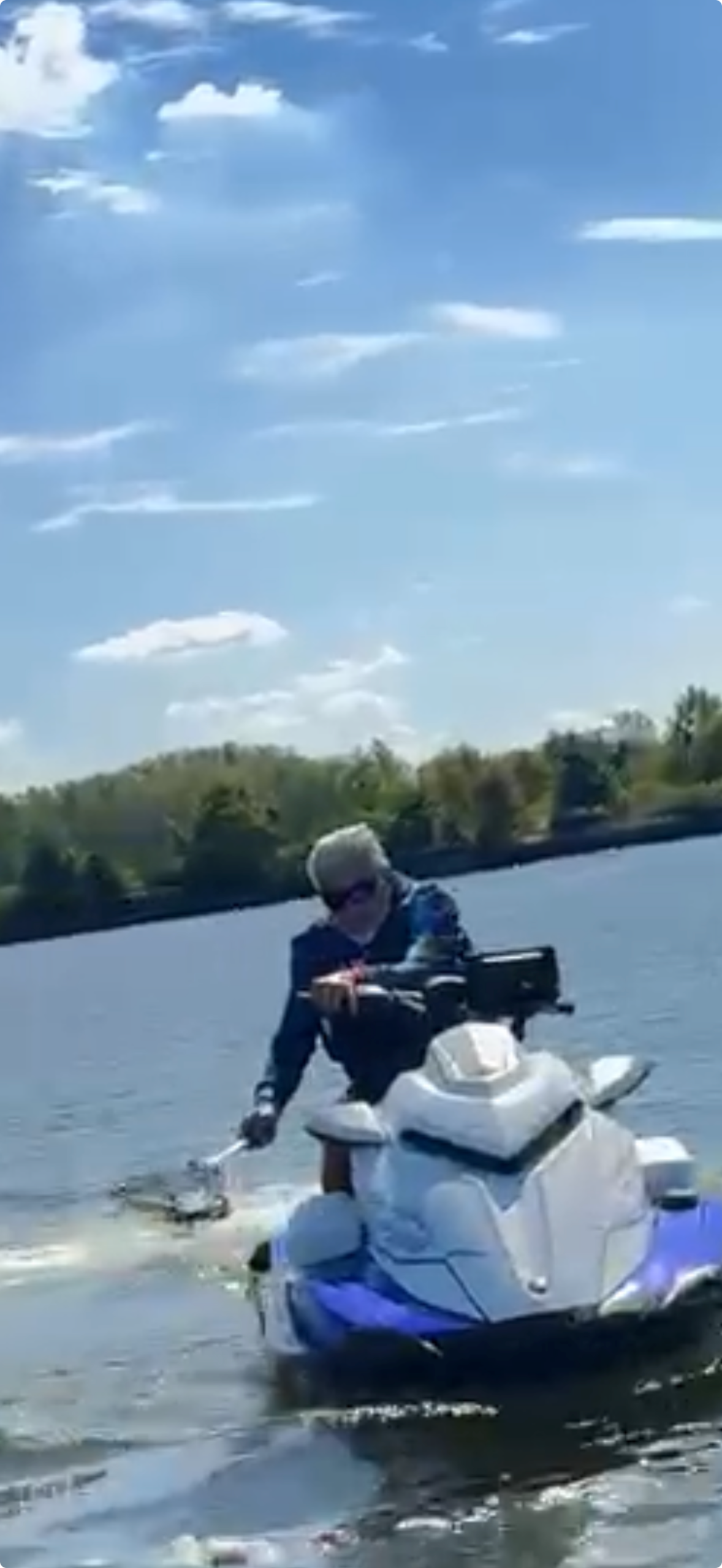
Hands-on action is a core part of the organization’s mission. Friends of the Delaware organizes cleanup events every spring and fall, bringing volunteers together to:
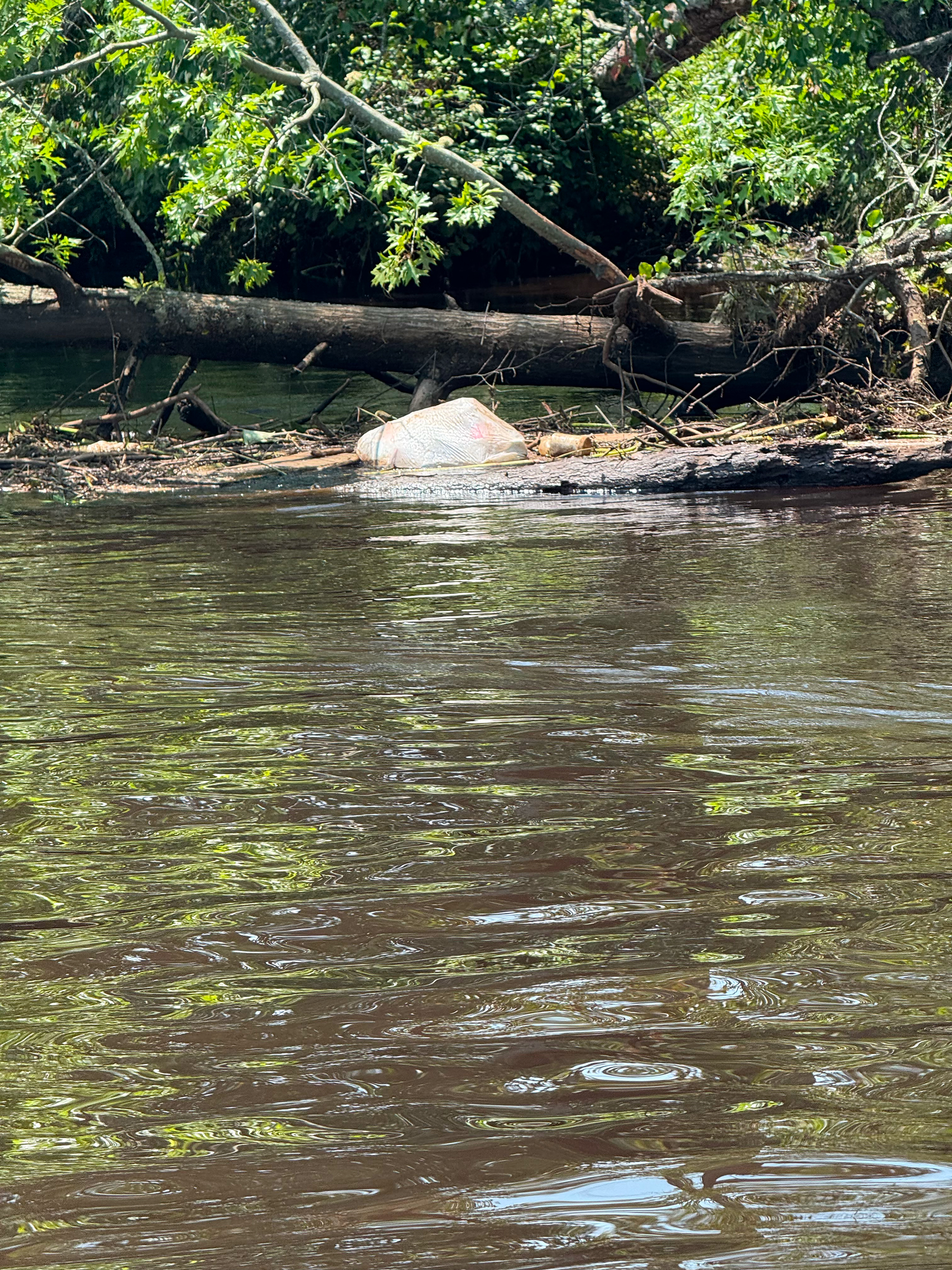
• Remove trash from riverbanks and nearby areas
• Prevent pollution from entering the river
• Improve habitats for wildlife
• Build awareness about everyday impacts on water quality
These cleanups not only protect the river but also inspire participants to become long-term environmental stewards.
Why Friends of the Delaware Matters
Friends of the Delaware demonstrate that advocacy, education, litigation and community action work best together. By speaking up for the river and engaging people directly, the organization helps ensure the Delaware River remains a safe source of drinking water, a healthy ecosystem, and a shared natural treasure.
Join the Effort
Protecting the Delaware River is a shared responsibility. By becoming a member, attending events, or volunteering at cleanups, individuals can help protect a river that millions depend on.
Advocacy today means a healthier Delaware River tomorrow.
Why the Delaware River’s Health Matters
A Lifeline for People and Nature
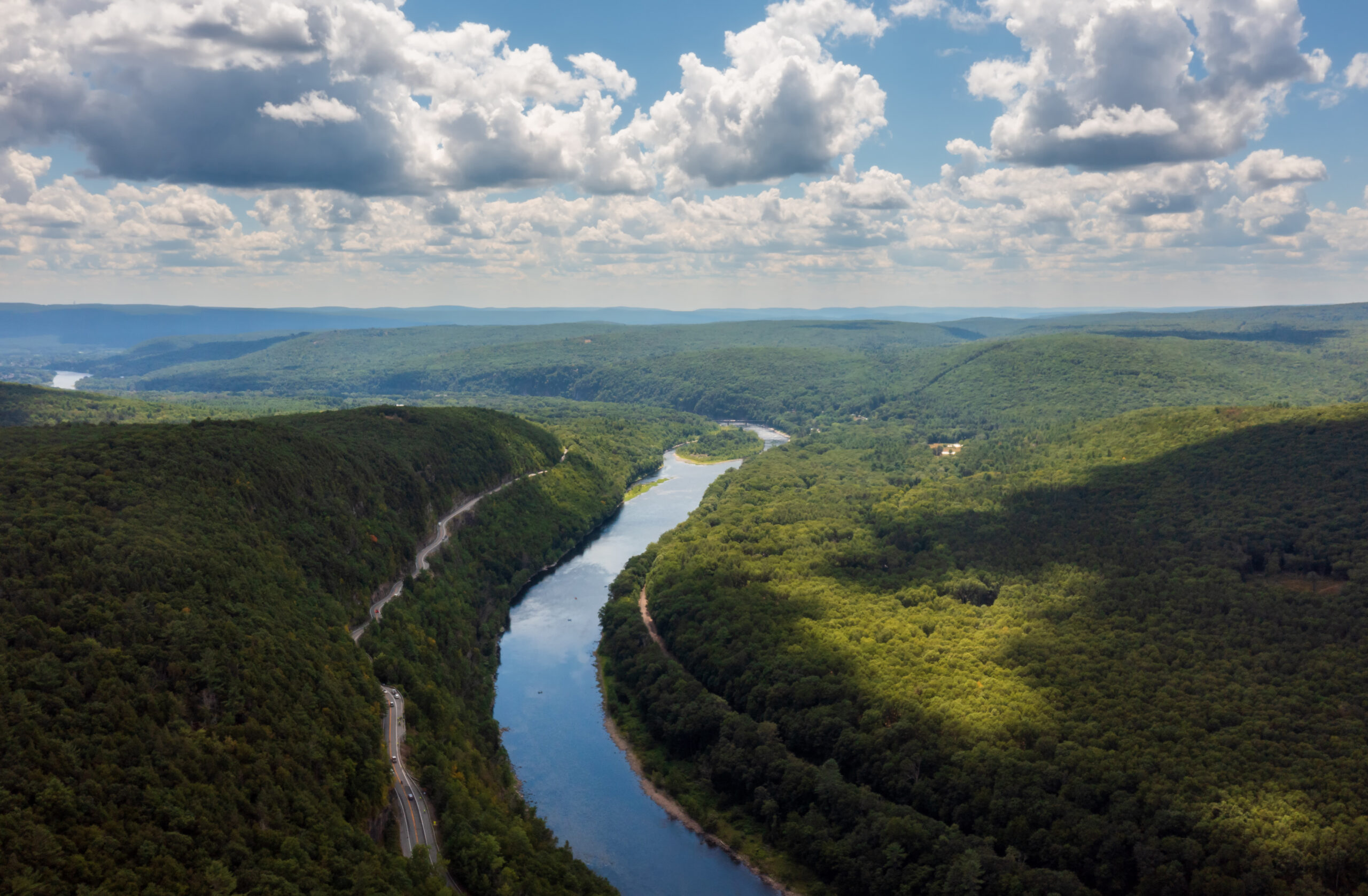
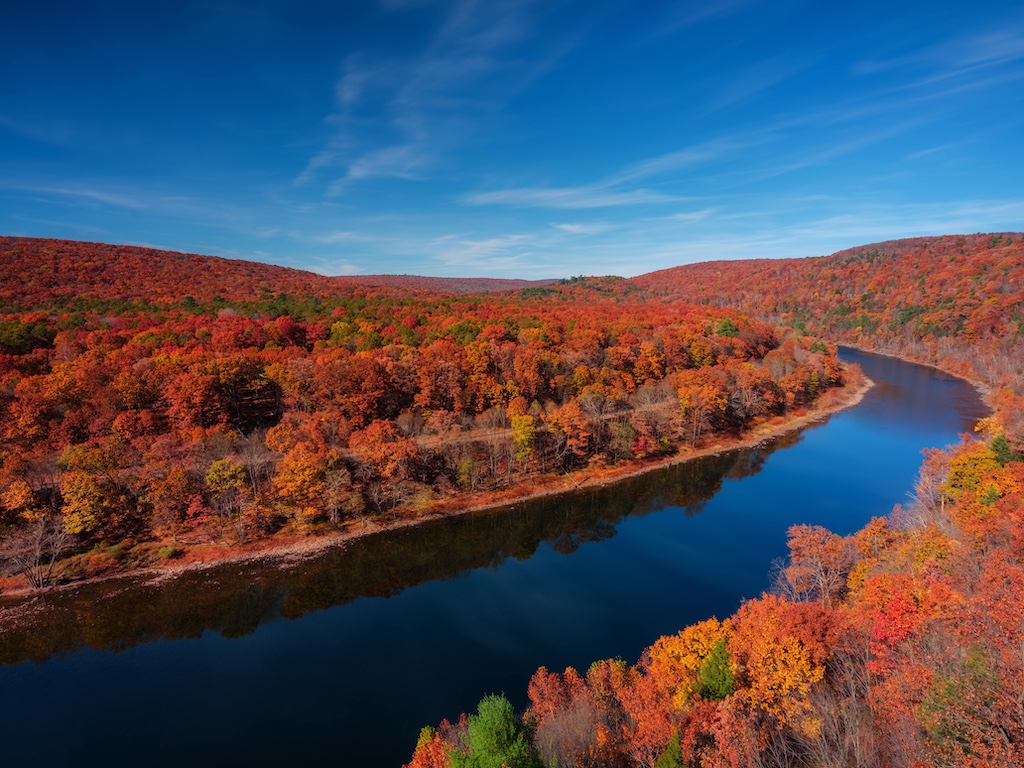
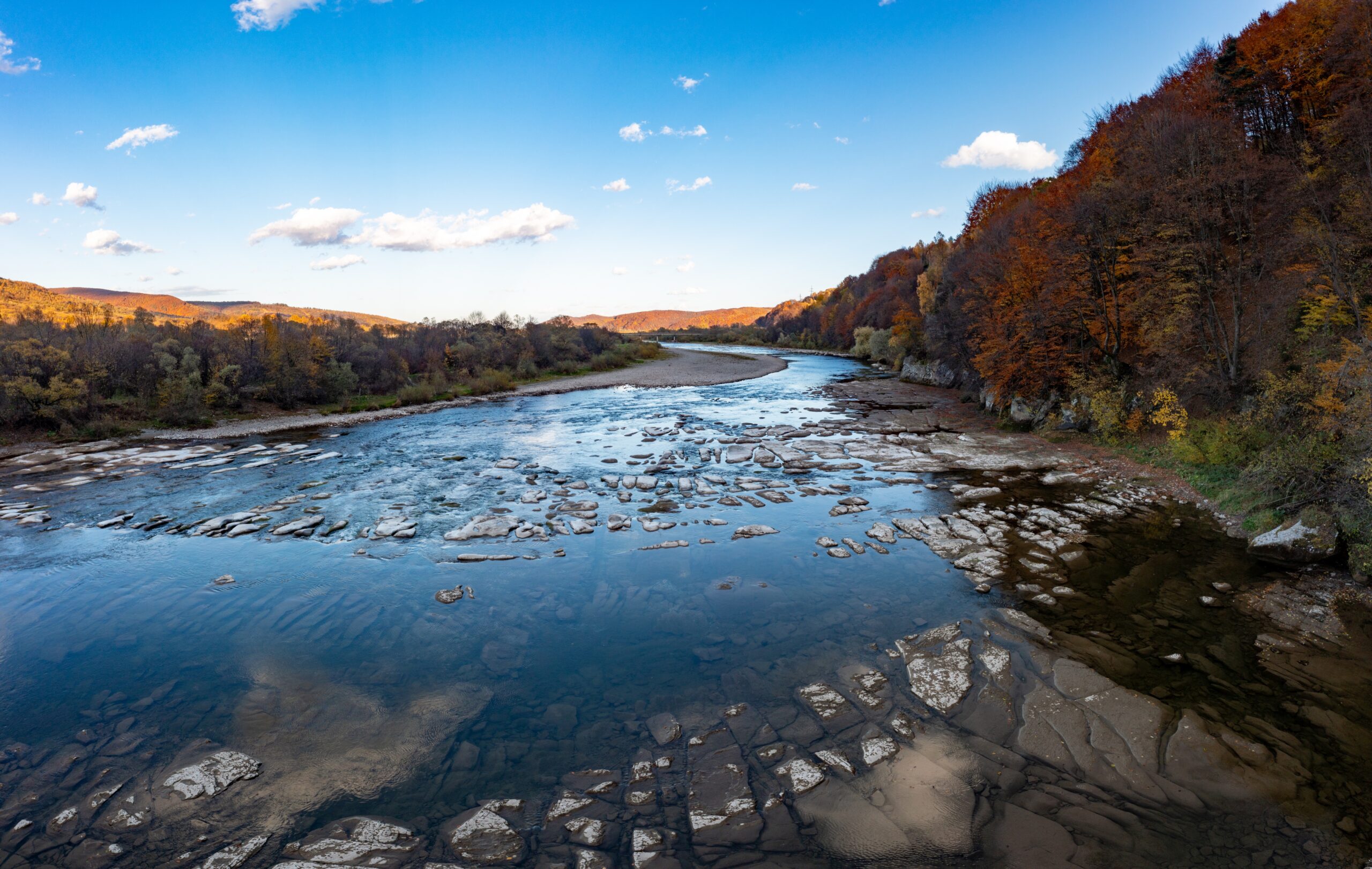
The Delaware River is one of the most important waterways in the Eastern United States. From its headwaters in the Catskills through Pennsylvania, New Jersey, and Delaware to the Delaware Bay, the river and its tributaries support millions of people, supply drinking water, and provide habitat for wildlife. Today, this river faces enduring threats — but renewed attention and action can help restore its health for current and future generations.
Key Reasons the River’s Health Matters
1. Drinking Water Source
The Delaware River watershed supplies clean drinking water for 13-15 million people across four states. Safe water quality is crucial for public health and economic stability.
2. Ecological Treasure
The river supports a diverse range of fish and wildlife, including migratory species like American shad and endangered Atlantic and shortnose sturgeon. Strong ecosystem health means thriving biodiversity.
3. Economic and Cultural Importance
The river supports commercial and recreational fishing, boating, tourism, and commerce along its banks. Clean water bolsters local economies and enhances quality of life.
Challenges Facing the Delaware River
Water Quality Problems
Despite improvements over the past 50 years, significant water quality issues persist.
Polluted Streams and Impairments
Nearly 45% of stream miles in the Delaware River watershed in Pennsylvania were classified as impaired – meaning the water fails standards for drinking, recreation, fish consumption, or aquatic life. These problems stem from runoff, contaminated sediments, stormwater, and legacy pollution.
Nutrient Pollution & Low Oxygen
Excess nitrogen and phosphorus from fertilizers, animal waste, septic systems, and storm runoff spur algal growth and lead to reduced dissolved oxygen — a condition harmful to fish and other organisms.
Legacy Contaminants
Toxic chemicals like PCBs, mercury, and other persistent pollutants remain in river sediments and fish tissue. These legacy contaminants continue to affect water quality and fish consumption safety.
Urban and Development Pressures
Rapid development adds impervious surfaces (roads, rooftops) that increase runoff and carry pollutants into waterways. Higher stormwater flows also erode banks and degrade habitat.
A Call to Action
These challenges show improvement so far isn’t enough. Without action, water quality risks worsening, public health is threatened, and the river’s ecological integrity is compromised.
Citizen Clean Water Act Suits:
Protecting the Delaware River
What Are Citizen Clean Water Act Suits?
The Clean Water Act (CWA) includes a powerful provision that allows citizens and organizations to take legal action when the law is not being enforced. These are known as citizen suits.
Citizen CWA suits allow individuals and nonprofit groups to hold polluters accountable when businesses or facilities illegally discharge pollutants into waterways like the Delaware River, and when government agencies fail to act.
These lawsuits are not about punishment alone – they are about protecting public health, clean water, and shared natural resources.
Why Citizen Suits Are Important for the Delaware River
The Delaware River supplies drinking water to millions of people and supports diverse ecosystems. When violations go unchecked, pollution can accumulate and cause long-term harm.
Citizen suits help:
• Enforce existing water quality laws
• Stop illegal pollution before it worsens
• Protect downstream communities
• Support fair treatment of law-abiding businesses
• Ensure environmental laws work as intended
By allowing citizens to step in, the Clean Water Act ensures that clean water protections do not depend solely on limited government resources.
How Citizen Suits Strengthen Environmental Protection
Citizen enforcement:
• Encourages compliance with stormwater and discharge permits
• Brings transparency to pollution violations
• Deters future illegal discharges
• Drives long-term improvements in industrial practices
Many pollution reductions in the Delaware River watershed have occurred because citizen suits prompted corrective action, cleanup efforts, and stronger oversight.
Penalties for Businesses That Violate the Clean Water Act
Businesses that violate the Clean Water Act can face serious consequences, including:
Civil Penalties.
Companies may be fined tens of thousands of dollars per day per violation, depending on the severity and duration of the pollution. These penalties create strong financial incentives to comply with the law.
Court-Ordered Compliance
Courts can require businesses to:
• Upgrade pollution control systems
• Fix stormwater management failures
• Follow permit limits and monitoring requirements
• Prevent future violations
Legal and Reputational Costs
In addition to fines, violators may face:
• Legal fees and court costs
• Public disclosure of violations
• Damage to community trust and reputation
These consequences reinforce that polluting shared waters is unacceptable.
Why Accountability Matters
When businesses ignore the Clean Water Act, the cost of pollution is shifted onto:
• Communities that rely on clean drinking water
• Taxpayers who fund cleanup efforts
• Wildlife and ecosystems that cannot recover on their own
Citizen suits help ensure that polluters – not the public – bear responsibility for preventing and
correcting harm.
Protecting the Delaware River Through Civic Action
Citizen Clean Water Act suits are a vital tool for safeguarding the Delaware River. They empower communities, strengthen environmental laws, and help ensure that clean water remains a shared and protected resource.
Strong laws matter – but strong public involvement makes them work.
Community Engagement and Member Events
Protecting the river starts with building a strong community.
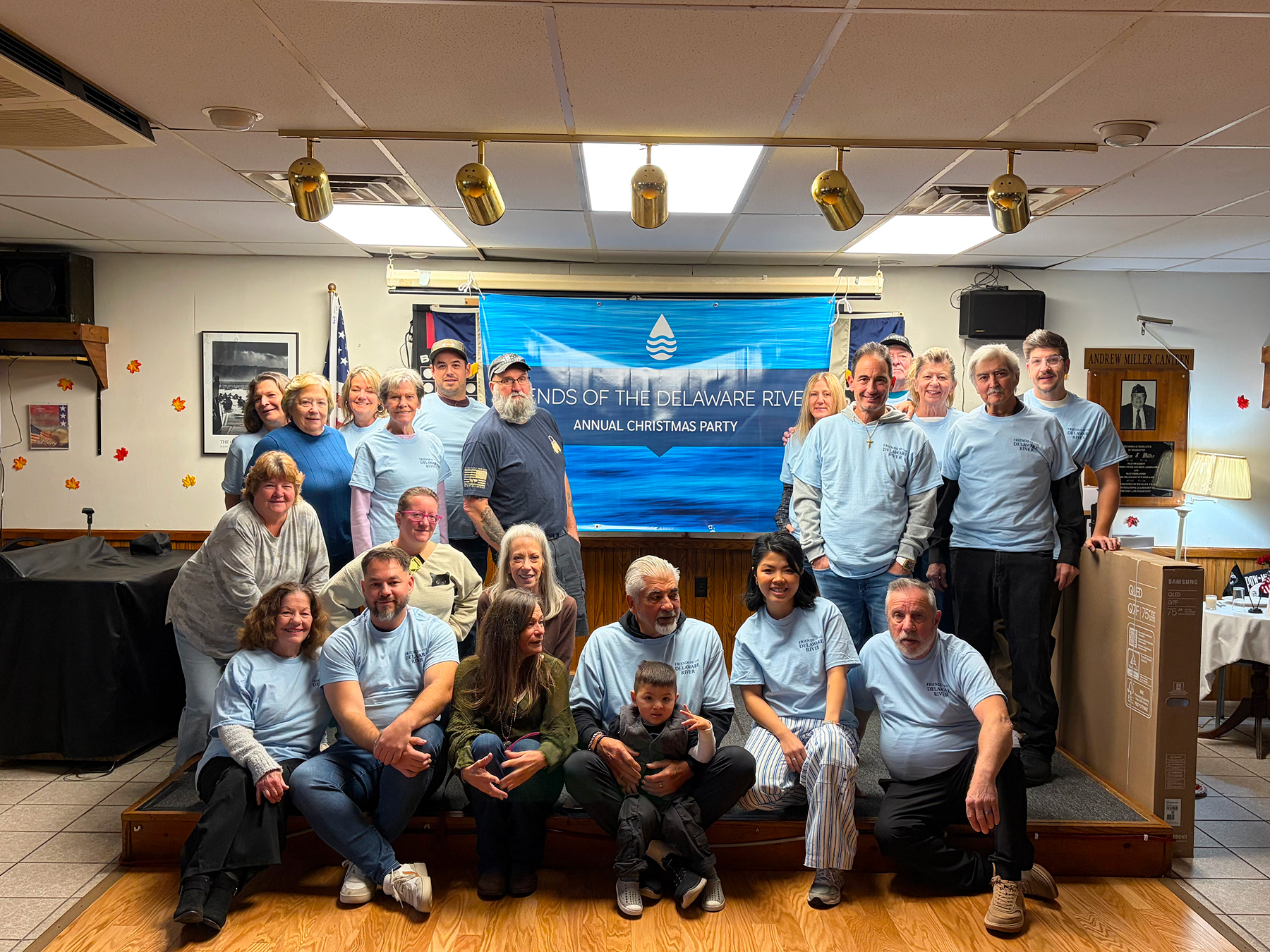
Holiday Party for Members
Each year, Friends of the Delaware hosts a holiday party for members and supporters.
This event is a way to:
• Celebrate successes from the past year
• Connect with fellow river advocates
• Learn about upcoming projects and goals
These gatherings strengthen relationships and remind members that their involvement truly makes a difference.
Stormwater Runoff and Clean Water Act Noncompliance
The Clean Water Act and Stormwater
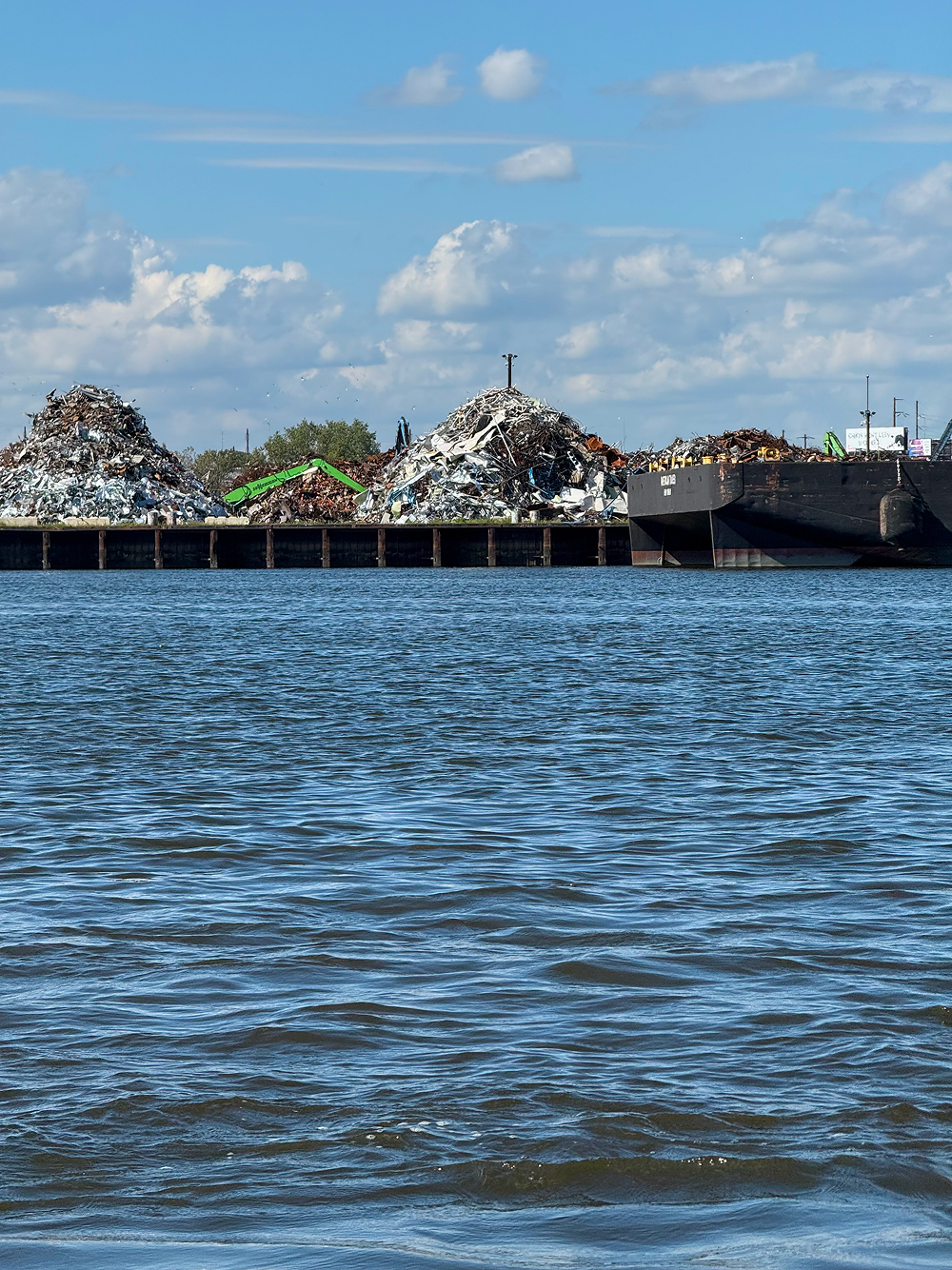
The Clean Water Act (CWA) is a federal law designed to protect rivers, lakes, and streams from pollution. Under the CWA, many businesses, factories, construction sites, and industrial facilities are required to control stormwater runoff and prevent pollutants from entering waterways like the Delaware River.
When businesses fail to follow these rules, polluted stormwater can flow directly into the river, harming water quality, wildlife, and human health
How Business Noncompliance Harms the Delaware River
1. Discharge of Untreated Pollutants
Some businesses do not properly manage stormwater systems or fail to maintain permits.
As a result, runoff can carry:
• Industrial chemicals
• Oil, grease, and fuel
• Heavy metals
• Sediment from construction sites
These pollutants often enter the Delaware River without treatment, violating Clean Water Act standards.
2. Construction Site Violations
Construction sites are one of the largest sources of stormwater pollution when regulations are ignored.
Without erosion and sediment control:
• Soil washes into nearby streams
• Water becomes cloudy, blocking sunlight
• Fish habitats are buried or damaged
Sediment pollution reduces water quality and disrupts aquatic ecosystems.
3. Increased Risk to Drinking Water
The Delaware River provides drinking water to millions of people. When businesses violate stormwater rules, contaminants can enter public water supplies, increasing treatment costs and threatening water safety.
Protecting the river at its source helps ensure clean and affordable drinking water.
4. Unfair Environmental Impact
When businesses do not comply with the Clean Water Act:
• Law-abiding companies are put at a disadvantage
• Communities downstream face higher pollution levels
• Environmental damage accumulates over time
Noncompliance shifts the environmental burden onto the public and future generations.
Why Enforcement of the Clean Water Act Matters
Strong enforcement ensures that businesses:
• Obtain proper stormwater permits
• Use pollution-control practices
• Monitor and report discharges
• Are held accountable for violations
Without enforcement, stormwater pollution continues unchecked, undermining decades of progress in improving the Delaware River’s health.
Moving Toward Solutions
Improving compliance can greatly reduce pollution by:
• Upgrading stormwater management systems
• Using green infrastructure at industrial sites
• Increasing inspections and penalties for violations
• Educating businesses on legal and environmental responsibilities
Protecting the River Through Accountability
Businesses play a major role in protecting water quality. When Clean Water Act requirements are ignored, stormwater runoff becomes a serious threat to the Delaware River.
Ensuring compliance is not just about following the law — it is about protecting public health, wildlife, and a vital natural resource.
Join Friends of the Delaware River LLC
Become a Member — It’s Free
Friends of the Delaware River LLC welcomes anyone who cares about protecting the Delaware River. Membership is completely free and gives you the opportunity to stay informed, get involved, and support advocacy and community action that protects clean water for people and wildlife.
By joining, you help strengthen the public voice working to keep the Delaware River healthy.
Why Become a Member?
As a member, you can:
• Receive updates on Delaware River protection efforts
• Be invited to spring and fall river cleanup events
• Attend member gatherings, including the annual holiday party
• Support advocacy for strong Clean Water Act protections
• Join a community dedicated to clean water and stewardship
No fees. No obligation. Just a shared commitment to the river.
Membership Signup Form
Membership is free of any costs.
"*" indicates required fields